Rehearsal Spaces Fellowship
Rehearsal Spaces Fellowship is a programme by Kin Structures, that funded two artist fellowship placements in summer/autumn 2026. This programme provided infrastructure for grassroots artists to develop socially-engaged practices alongside community groups in London.
Each fellowship was a paid opportunity for artists to create tools in service of these communities and gave space to the production of work that responded to social, political and ecological conditions within the urban environment.
Methodology
Rooting:
- Our organisational approach to partnerships uses a practice of “rooting” which is a way of working that begins with witnessing and being with what is, before sensitively responding to context. We see our work as relational and durational, requiring initial and ongoing relationship building. We took this approach with the place-based campaigns we partnered with.
Trans-locality:
- Whilst we root ourselves and our work in local places, what is “local” requires rethinking in a globalised world. A geographic locale is shaped by multiple and changing histories, economies, ecologies, and infrastructures that mean it is interconnected to and interdependent on the global and all scales in between. A “trans-local” method of working in the context of Rehearsal Spaces recognises that neighbourhoods across London all experience different but connected urban realities. By facilitating collaboration, reciprocal knowledge and coalition-building practices across borough scales, we explore how socially engaged artistic practices can situate local issues in wider struggles for urban spatial justice.
Terminology
What do we mean by…
… Rehearsal Spaces?
- A “rehearsal space” is a site of practice where activities are tested and adjusted. This language emphasises process over outcome, prefiguring a (re)imagined future.
- By using the plural we indicate this is about supporting and building collectives.
… Fellowship?
- There are two definitions of the term “fellowship”. It can mean: a funded role for development, typically academic or research-based; as well as describing a group of people with a shared purpose.
- Our use of the term “fellowship” gestures to both, but attempts to distance from individualised work benefitting institutions and instead emphasises coalition-building and solidarity through collaboration.
By pairing these terms to name our project, we reference a collective and experimental way of working together to rehearse creative practices that support spatial justice.
Njerũ Njoka & Tottenham Family Fight Back
Njerũ (they/them) is a land steward, indigenous language keeper, and storyteller. Their artistic practice emerged in response to their personal experience of migration; colonial and capitalist extraction of their ancestral lands in Embu, Kenya; and in the fight to defend and nurture community spaces in Tottenham.
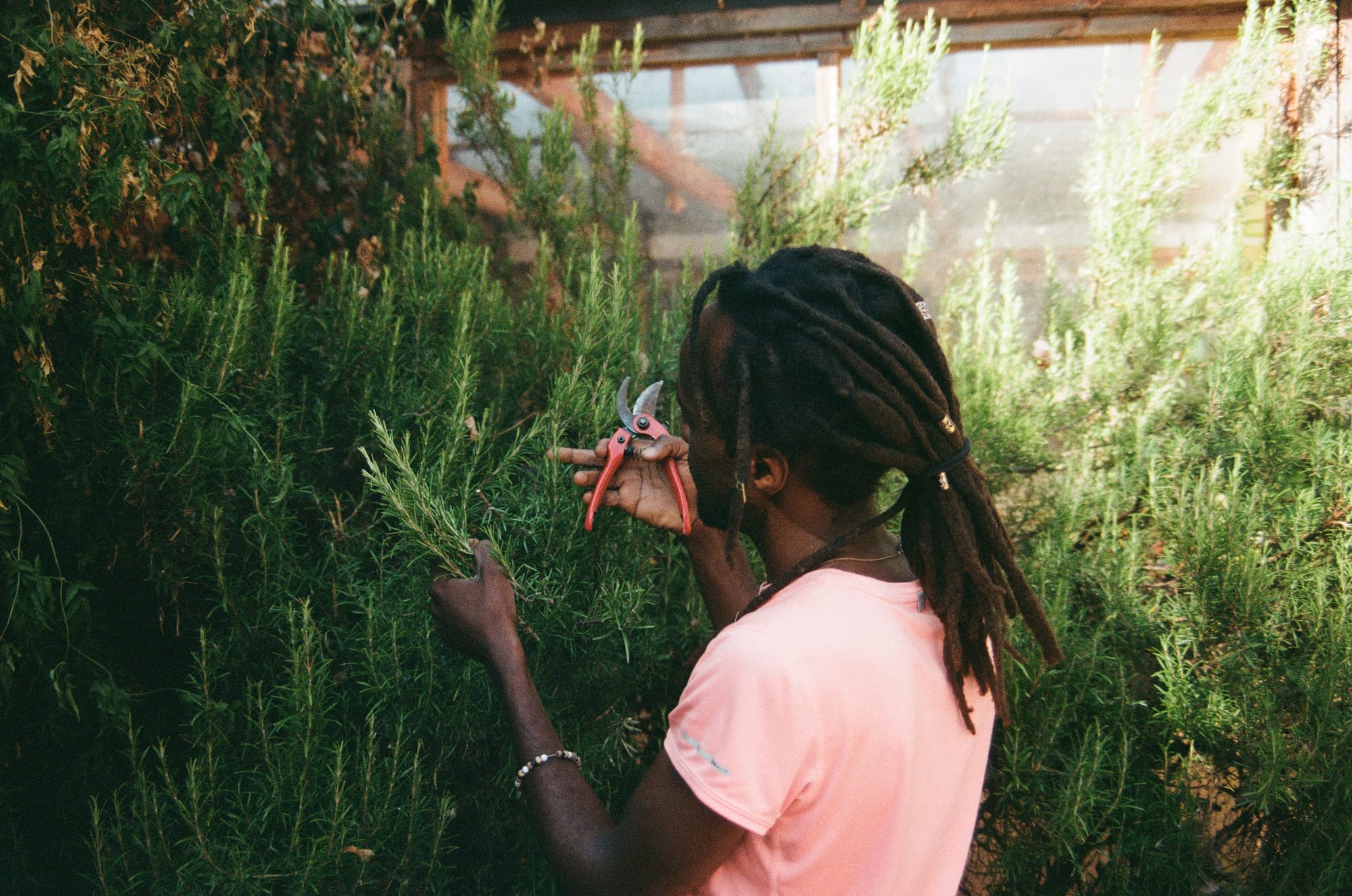
By working with TFFB, Njerũ used storytelling and growing practices to discover which members of the community are and have historically been connected to the space and what their needs and gifts are. Land stewardship was mobilised as a shared practice to find common ground across generations, beings, and timelines and to capture the campaign’s story as TFFB look to the future.
Njerũ is also a member of Wolves Lane community growing hub and Black Rootz, a multigenerational Black-led growing project.
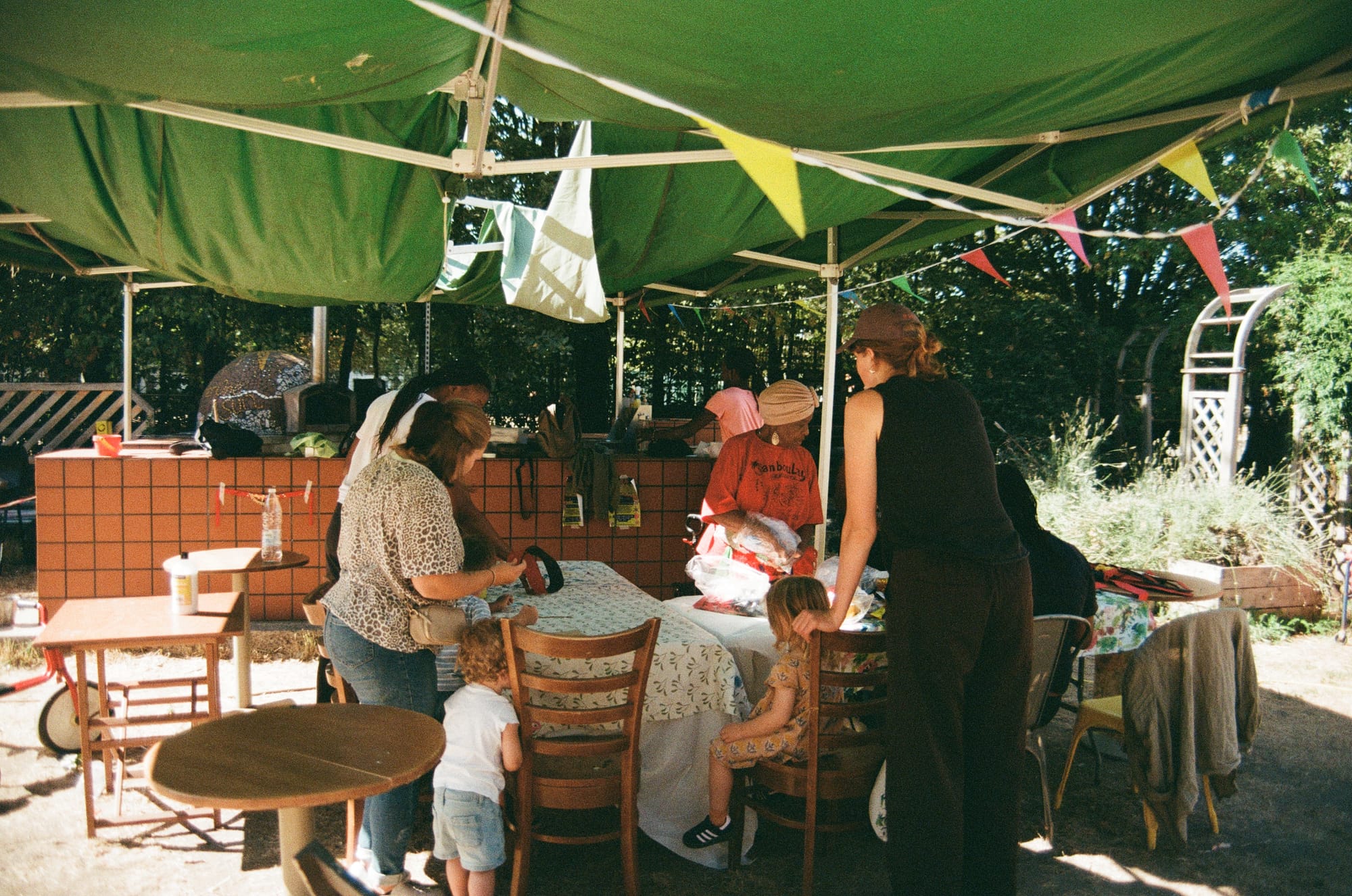
Follow them on Instagram @njoka.d, @tottenhamffb.
Audrey Couppé de Kermadec & A House For Artists
Audrey (they/them) is an artist, poet and researcher of Guadeloupean and Martinican heritage whose practice brings together painting, sound, poetry, video and performance. They are interested in creating sensitive and ritual spaces where marginalised bodies, wetlands and the unseen world interact, creating forms of refuge, care and collective attention. Their work is informed by Caribbean magico-religious practices and an ecopoetic approach that explores the traces of colonialism, relationships between humans and non-human life, and alternative forms of collective resistance.
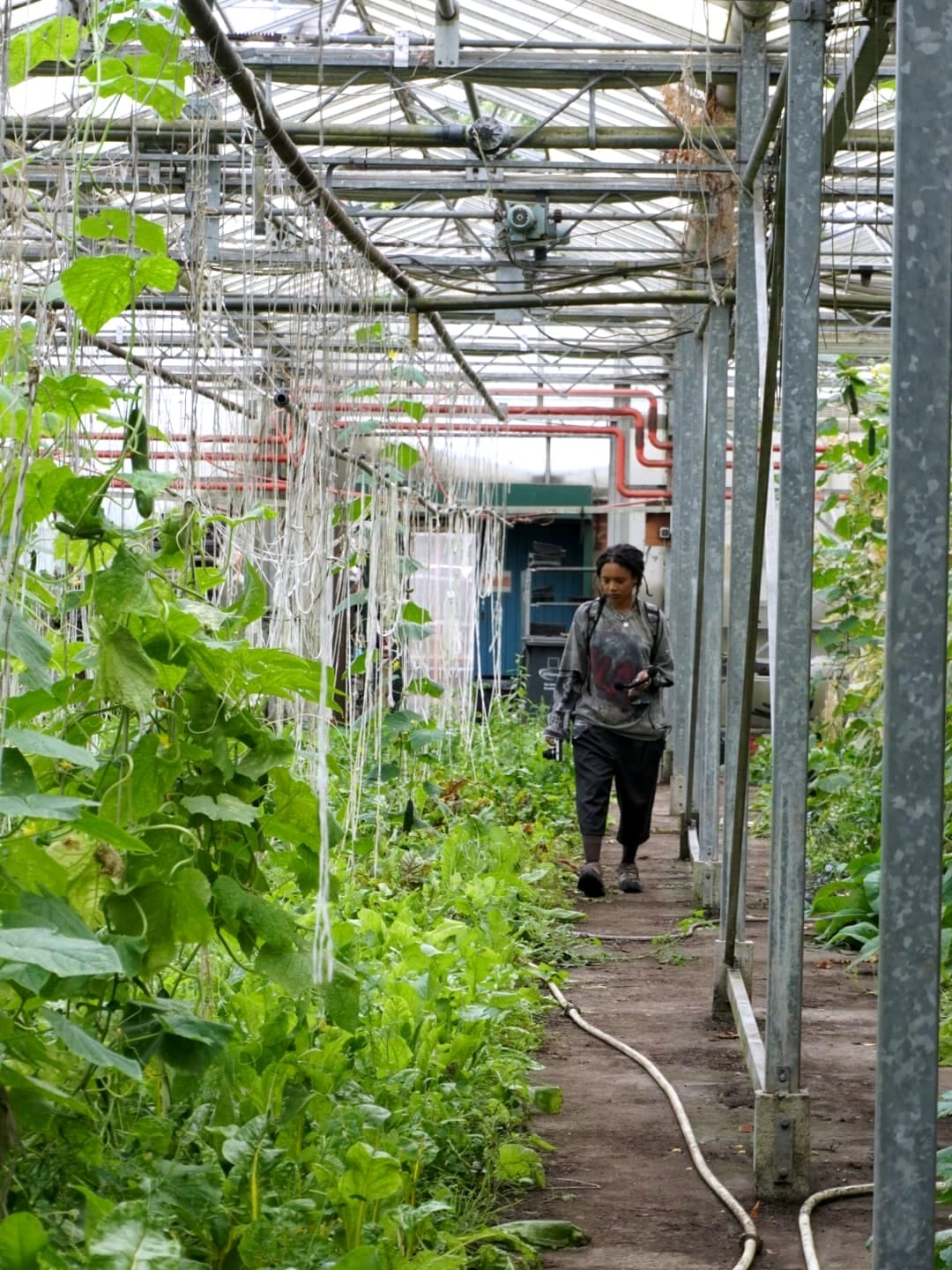
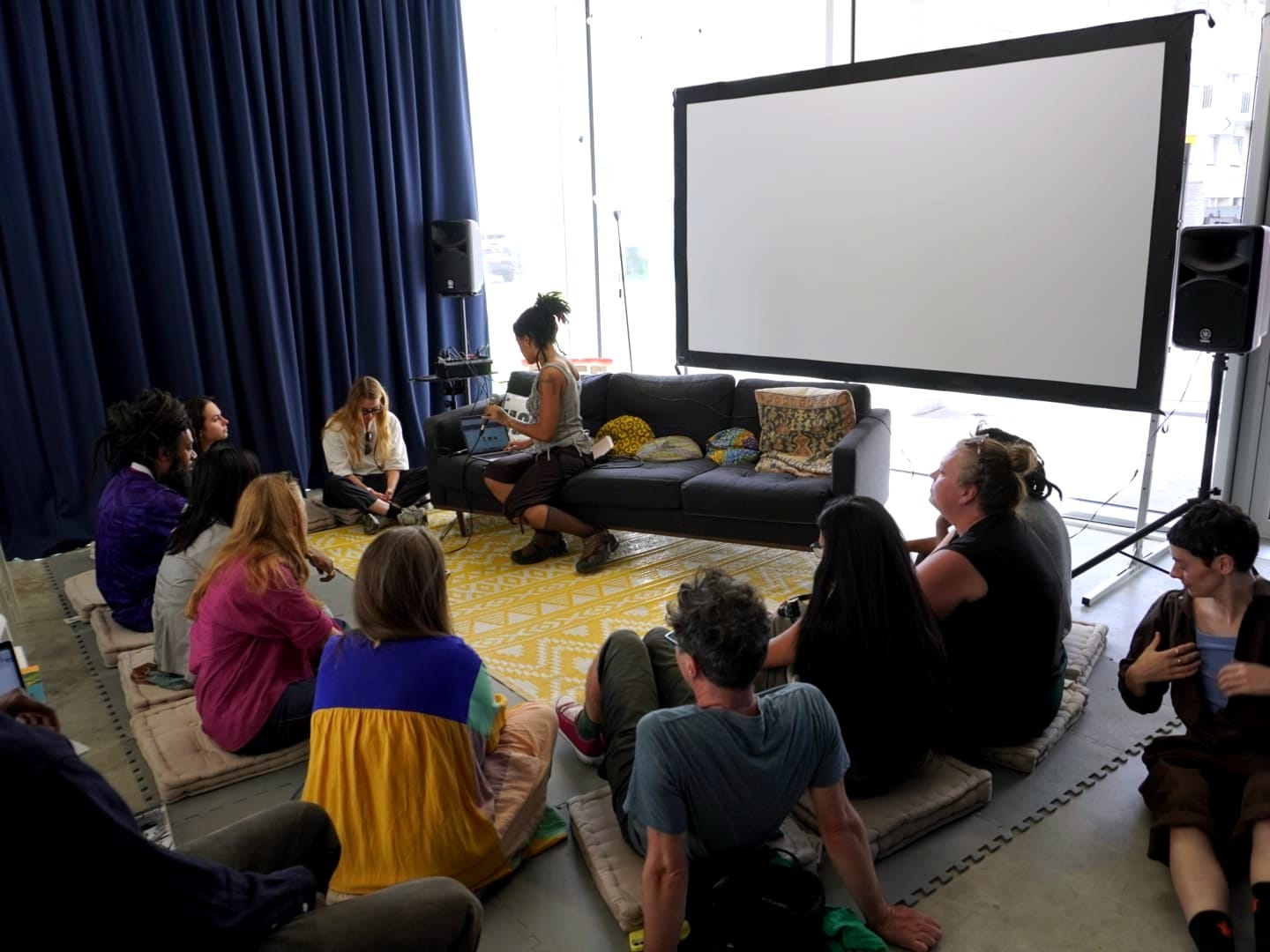
Audrey's placement at AHFA used these quiet processes of listening and slowness to embody rehearsals of governance with the residents and different ways of working alongside their community. Audrey visited local places connected to the house, led nature walks, soundscaping exercises, and hosted communal meals as reflective processes. A sound piece was recorded across Audrey's fellowship and played back during a collective nap listening session which included locally grown produce and drinks prepared from Dagenham Farm and Company Drinks.
Follow them on Instagram @audreycdk, @ahouseforartists.
Background
We, Kin Structures C.I.C., are artists of Global Majority background, living and working in London, one of the most diverse cities in the world, shaped by migration, workers and through a rich history of protest. London is also ranked as one of the top art capitals in which artistic, aesthetic and creative production is abundant.
We are interested in grassroots artistic and creative practices that emerge from and respond to conditions within the urban environment, understanding that no art is neutral but instead intertwined in the social, ecological, political and spatial structuring of the city. We are working towards a community led vision for the arts.
As artists concerned with spatial justice we must ask ourselves how our art enters the social world and in turn, how we can resist gentrification and the oppressive systems around it?
Follow us on instagram to keep up to date with our work!